ARTIFICIAL TRUFFLE VS NATURAL TRUFFLE

Truffles, both natural and artificial, are known for their unique aroma. However, not all truffle aromas we find have the same origin.

Therefore, what distinguishes them is that natural truffles are appreciated for their complexity, intensity, and depth; And artificial truffles seek to imitate this aroma without achieving its authenticity.

These differences will be very useful when buy black truffle or truffle-infused products, as they will help you avoid potential scams, and you will also learn to identify overly synthetic aromas.

Furthermore, distinguishing the type of smell can help you recognize the true quality of the product.

In this text, we will analyze the aroma of each, which is superior, how to distinguish them through smell, and how these differences directly influence their market price.

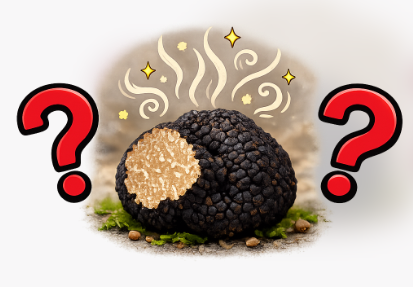
ARTIFICIAL TRUFFLE VS NATURAL TRUFFLE

NATURAL TRUFFLE AROMA

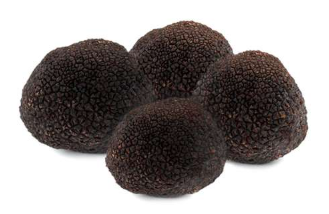
Natural truffles, both black and white, have an intense, earthy aroma. This aroma develops inside the fungus and reflects the environment in which it grows in symbiosis with tree roots.

As natural truffles mature, their aroma becomes more intense.

CHARACTERISTICS OF NATURAL TRUFFLES

Natural truffles are distinguished by their unique aroma. It is an unmistakable aroma, a blend of sweet, earthy, and slightly woody notes. Moreover, it is a complex aroma. It reflects its growing conditions, the type of soil, and the tree species. Therefore, each truffle has its own unique personality, making its aroma even more special.

ARTIFICIAL TRUFFLE AROMA

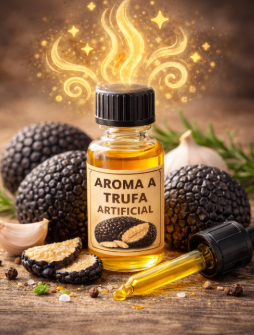
On the other hand, artificial truffles combine oils, essences, and chemicals that attempt to mimic the aroma profile of natural truffles. Although in some cases the aroma of artificial truffles may seem similar to that of natural truffles, it lacks the complexity and depth of the natural truffle.

CHARACTERISTICS OF ARTIFICIAL TRUFFLES

Artificial truffles have a less complex aroma. This aroma is usually simpler and more direct. Generally, it is stronger and more synthetic, but lacks the earthy and woody nuances of natural truffles. Furthermore, it has a more superficial aroma. This aroma can be quickly distinguished but tends to be less long-lasting, and once the truffle is cooked, it almost completely disappears.

Why is the aroma of natural truffles better?

The aroma of a natural truffle is unmistakable. It is the result of the natural environment in which it grows and its symbiotic relationship with the surrounding trees.

Its complex aromas enrich the sense of smell and add depth to the dishes it accompanies. The aroma blends so well with other ingredients that it creates a wonderful gastronomic balance, which an artificial truffle could not replicate.

The natural truffle is also a gourmet product, making it a symbol of exclusivity in gastronomy. Its unique aroma is prized for its scarcity and authenticity.

The natural truffle is also a gourmet product, making it a symbol of exclusivity in gastronomy. Furthermore, the truffle harvesting process requires patience and knowledge, which guarantees that each truffle is special.

Why is the aroma of natural truffles better?

How to distinguish the aroma of a natural truffle from that of an artificial truffle

Thanks to a number of characteristics, you'll be able to distinguish a natural truffle.

First, by its aroma, which is more intense and longer-lasting. When cooking a natural truffle, it releases a persistent aroma.

Unlike an artificial truffle, which is initially intense but gradually evaporates.

If you notice any synthetic or chemical notes, it's probably an artificial truffle.

A natural truffle has woody and earthy notes that intensify over time.

And a key characteristic is freshness; in a natural truffle, the aroma changes over time, while in artificial truffles, the smell remains the same due to the chemicals used.

How to distinguish the aroma of a natural truffle from that of an artificial truffle

PRICE COMPARISON

Since natural truffles are seasonal and difficult to find, their aroma is one of the most prized aspects of their gastronomic value.

The price of natural truffles usually varies, but is generally between €800 and €3,000 per kg.

In contrast, the aroma of artificial truffles is more accessible and therefore less exclusive. It is found in products such as oils, sauces, and preserves.

These products are considerably cheaper, with prices ranging from €20 to €100.

IN WHICH PRODUCTS CAN WE FIND ARTIFICIAL TRUFFLES?

The most common product in which artificial truffles are found is in oils. Oils are often flavored with truffles to season pasta, salads, etc.

This results in intense but less complex aromas.

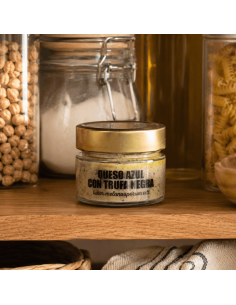
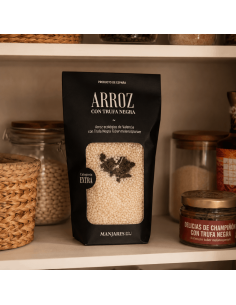
To choose the right oil, you'll need to check the label to see if it actually contains either a piece or infusion of natural truffle, and specify the type of truffle.

How to select the best truffle-flavored product

Looking at the label and checking if it mentions natural truffle, if it only says "natural flavor," it's probably an aromatic compound.

Another key difference is that products with natural truffle are usually more expensive.

5€ off your first purchase!

From February 1st to November 15th