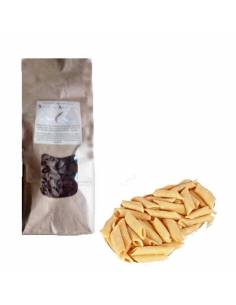
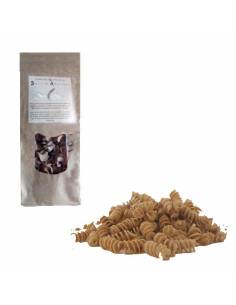
Now that we understand where this type of pasta comes from, what are the benefits of eating it?
1. Greater nutritional value
Spelt contains a good proportion of high-quality protein, as well as more B vitamins, iron, magnesium, phosphorus, and zinc than many modern wheat varieties.
Its nutritional profile is more balanced, and its pasta is more filling.
2. Good source of fiber
Wholemeal spelt pasta is rich in dietary fiber, which helps regulate bowel movements, keep blood glucose levels stable, and prolong the feeling of fullness.
This makes it an excellent option if you're looking to control your weight or improve your digestive health.
3. Better digestive tolerance
Although spelt contains gluten (and is therefore not suitable for celiac patients), many people with non-celiac wheat sensitivity find spelt pasta easier to digest.
This could be due to its lower content of certain problematic proteins found in modern wheat, as well as its less genetically modified structure.
4. Moderate Glycemic Index
Containing more fiber and protein, spelt pasta (especially whole-grain) has a lower glycemic index than many refined pastas.
In short, it generates a more gradual energy release, helping to avoid blood sugar spikes and contributing to metabolic control.
5. More Intense and Pleasant Flavor
Culinarily, spelt pasta has a slightly sweeter and nuttier flavor, which adds depth to dishes and pairs well with ingredients such as roasted vegetables, mushrooms, soft cheeses, or nut sauces.
6. A More Sustainable Option
From an ecological perspective, spelt is generally grown in more natural conditions, with less need for chemical fertilizers.
Being a more resistant variety, it requires less intensive intervention, making it a more environmentally friendly option.